


Keep It Possible
A daily journaling habit is easier to maintain when writing takes little effort. Pick one regular moment and keep the first entry short. You can write longer when you want to.
I wouldn’t begin with a promise to fill two pages every night. That’s a lot to ask on a busy day.
Start With Less
Daily Journaling Habit, One Minute
Open your notebook and write the date. Add one sentence about what happened. Stop there if you want.
A journaling routine doesn’t need a fixed page count. You could write, “I finished the work I kept putting off.” That’s useful enough for today.
People sometimes want to journal every day because they imagine pages of thoughtful writing. A single line is easier to repeat. I’d choose that first.
Keep the Same Cue
Pick a Moment You Already Have
Try placing your journal beside something you use each evening. Open it after you put away your work bag. That moment becomes the reminder.
A journaling routine may feel simpler when it follows an existing activity. You don’t have to keep checking the time. The notebook is already where you need it.
Time That Fits
Five Minutes Is Plenty
If you like a longer entry, try five minutes. That’s a starting choice, not a rule. A daily journaling habit should fit the time you have.
You might journal every day after dinner on quieter weeks. During a busy week, one sentence still counts. There’s no need to write until you run out of thoughts.
I prefer stopping while the page still feels manageable. It makes opening the notebook tomorrow less demanding.
The Gaps Between Pages
Missed a Day? Turn the Page
Missed journaling days happen. You might get home late or simply forget. Write today’s date when you return and leave the gap alone.
A journaling routine can continue after a break. You don’t owe your notebook an explanation for each empty date. I wouldn’t spend ten minutes catching up just to feel current.
Keep It Nearby
Let the Notebook Stay in Sight
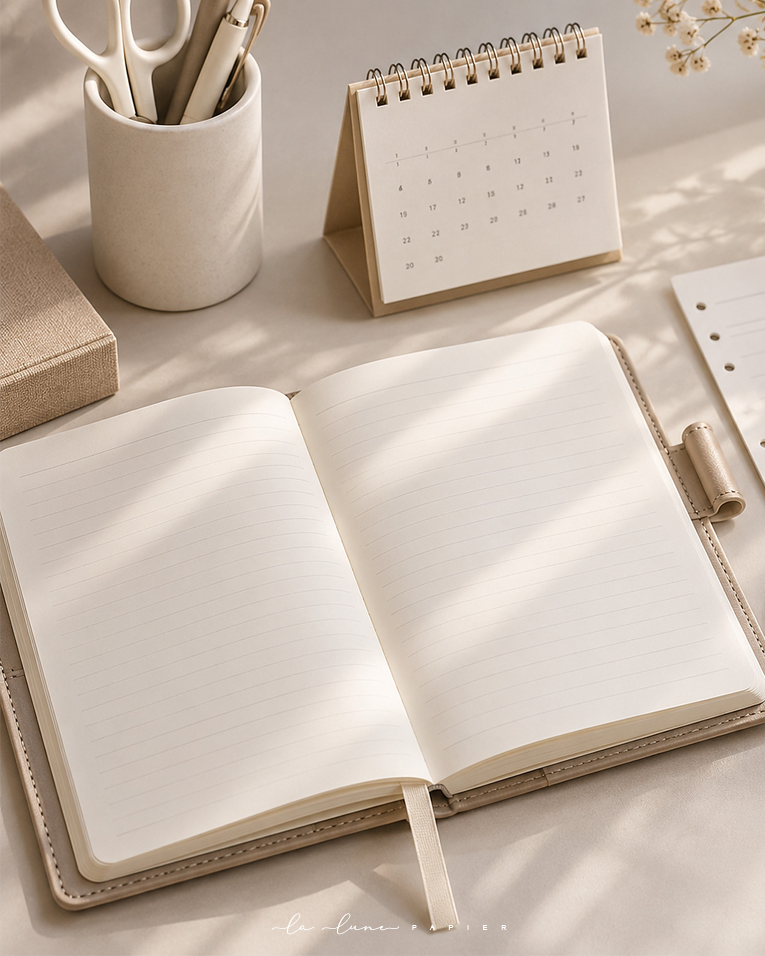
Give the notebook a home where writing is convenient. Maybe that’s the desk where you plan tomorrow. Keep one pen nearby so you don’t have to search.
If you want to journal every day, remove the little obstacles first. An empty notebook in a drawer is easy to ignore. A notebook beside your planner is easier to remember.
Missed journaling days don’t need special pages. The next clean page works fine.
Check What Works
See If This Routine Fits
After a week, look back at your entries. Which time did you use most often? Think about which kind of entry was easiest to finish.
A daily journaling habit may take longer to settle than you expect. Research on other health habits shows wide differences between people. It doesn’t give a fixed deadline for journaling.
You might journal every day for a while and then pause. If missed journaling days become common, shorten the session or change the cue. Keep the part of the journaling routine that suits your life.
There are 15 valuable comments so far. Thank you for engaging with our content and sharing your thoughts. Your feedback is greatly appreciated!